
Row wavy Shape Decorative svg added to top
Row wavy Shape Decorative svg added to bottom
Home | Unvented Storage Vessels

Unvented Storage Vessels

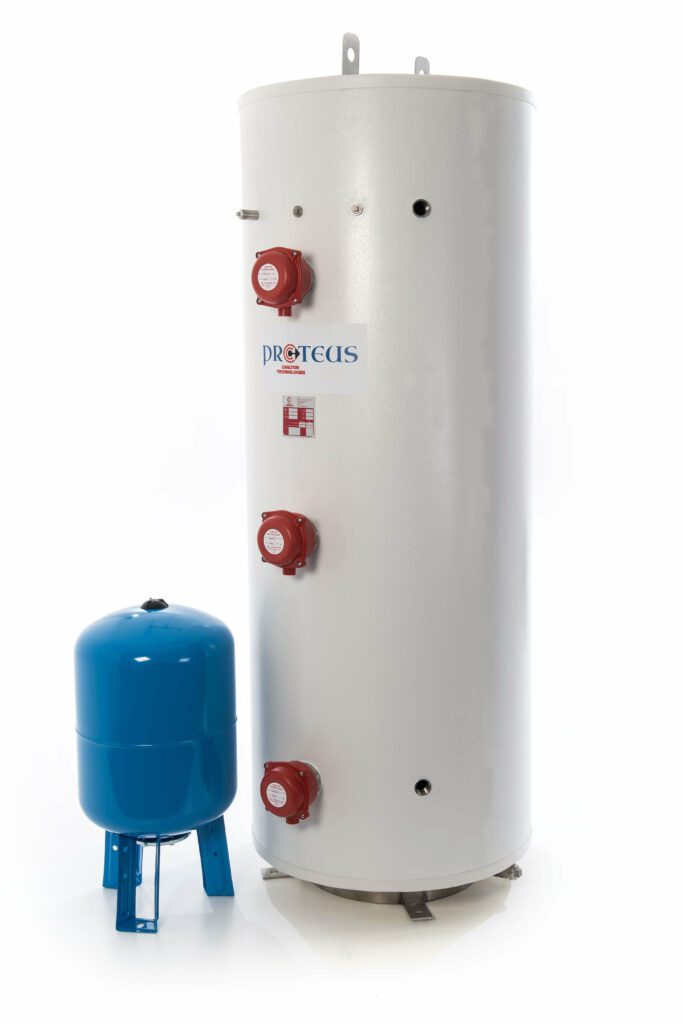
Carlton Technologies stock a number of vessels both direct and indirect ranging from large domestic sizes to heavy industrial applications. Please get in touch to get a price and delivery on your specific requirement.

Unvented storage vessels are sealed containers designed to store hot water or other fluids under pressure without the need for an open vent. They are commonly used in industrial hot water systems to provide consistent pressure and volume, ensuring reliable delivery at taps, showers, or other access points.
Unvented vessels use mains pressure to deliver hot water directly to outlets. They are fitted with safety devices such as expansion vessels, pressure relief valves, and thermostats to control temperature and pressure. The vessel is sealed, so the stored water remains under pressure, providing a strong and consistent flow.
Vessels are typically constructed from stainless steel or copper to provide corrosion resistance and durability. Internal linings may include glass or enamel coatings to further prevent corrosion and prolong service life. Components such as valves and thermostats are made from materials compatible with hot water systems.
Unvented storage vessels are used in:
  • Domestic hot water systems in homes or apartments
  • Commercial buildings such as hotels, offices, and hospitals
  • Industrial processes requiring a pressurised hot water supply
  • Systems where consistent water pressure and volume are required
Selection depends on the required water volume, system pressure, heating method (electric, gas, or boiler), installation space, and safety requirements. Proper sizing ensures a sufficient hot water supply, safe operation, and energy efficiency.
Benefits include strong and consistent water pressure, rapid delivery of hot water, compact installation without the need for a vented header tank, enhanced energy efficiency, and reliable performance in domestic, commercial, and industrial settings. They also reduce the risk of backflow and contamination compared with open vented systems.