

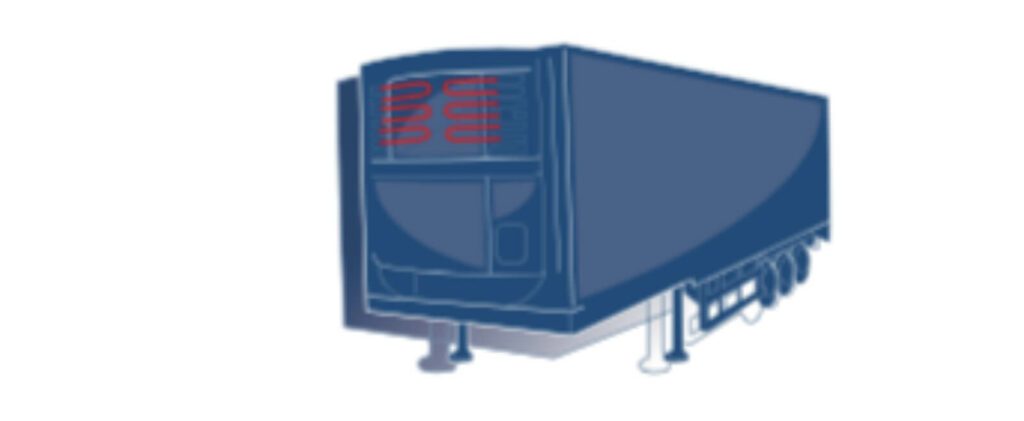
Carlton provide a full range of heating elements for the refrigeration sector. We have extensive knowledge and products for the refrigeration market, please contact our sales team for further information and the wide range of benefits our heaters offer.
Maintain optimal environment temperatures with great heating system solutions for industrial heating applications including refrigerated transport, blast chillers, ripening chambers, catering applications, and more.
Refrigeration heating elements are specialised electric heaters designed to prevent frost or ice buildup in refrigeration systems, freezers, cold rooms, and chillers. They maintain optimal performance by ensuring condensers, evaporators, or pipelines remain clear of ice while maintaining energy efficiency.
Refrigeration heating elements work by providing controlled heat to critical components within the refrigeration system. They prevent ice formation on evaporator coils, drain lines, or other surfaces by maintaining temperatures above freezing, ensuring consistent airflow and optimal system efficiency.
Common types include strip heaters, tubular heaters, and custom-shaped heating elements designed to fit specific refrigeration applications. Elements can be integrated into coils, pipes, or other system components to prevent ice buildup and maintain smooth operation.
Elements are typically made from stainless steel or Incoloy sheaths for durability and corrosion resistance. Inside, magnesium oxide (MgO) insulation surrounds the resistive wire to provide efficient heat transfer and electrical safety. Materials are chosen to withstand moisture, cold temperatures, and continuous cycling.
Refrigeration heaters are used in:
- Industrial and commercial freezers
- Cold rooms and refrigerated storage
- Condensers and evaporator coils
- Refrigeration pipelines and drain lines
Selection depends on the refrigeration system type, component size, required heat output, operating voltage, and environmental conditions. Correct specification ensures efficient ice prevention, minimal energy consumption, and long-term reliability.
Benefits include reduced maintenance costs, improved system efficiency, prevention of ice-related damage, energy savings, and reliable performance in cold environments. They help maintain the smooth operation of refrigeration systems and ensure consistent product storage conditions.
